



Past, present and future of the coral reefs of the Caribbean coast of Costa Rica.
 Tools
Tools Tools
Tools
Cortés, Jorge and Jiménez, Carlos (2003) Past, present and future of the coral reefs of the Caribbean coast of Costa Rica. In: Latin American Coral Reefs. , ed. by Cortés, Jorge. Elsevier, Amsterdam, pp. 223-239. ISBN 978-0-444-51388-5 DOI https://doi.org/10.1016/B978-044451388-5/50011-4.
![[img]](http://cris.leibniz-zmt.de/style/images/fileicons/text.png) |
Text
Jiménez.pdf - Published Version Restricted to Registered users only Download (5MB) |
Abstract
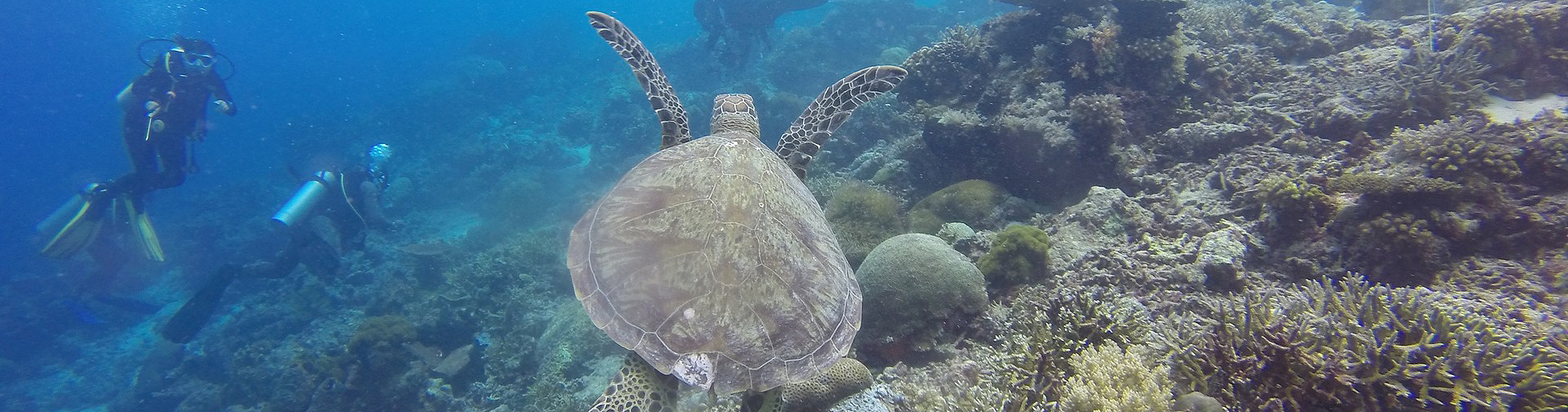
Coral reefs are present on the southern section of the Caribbean coast of Costa Rica. Three areas of reef development are recognized: 1) fringing and patch reefs between Moín and Limón, 2) fringing reefs, patch reefs, and carbonate banks at Cahuita National Park, and 3) fringing reefs, patch reefs, carbonate banks, and algal ridges between Puerto Viejo and Punta Mona. Reef structure and coral species composition is similar to other Caribbean reefs, with some exceptions, for example the presence of a well-developed algal ridge. Forty-one species of scleractinian corals, 3 of hydrocorals and 26 octocorals have been reported. Even though most coral reefs are within Protected Areas they are being degraded by human activities on nearby areas. Live corals coverage have been declining while dead coral and algal coverage have increased. The main cause of damage to coral reefs is the excess terrigenous sediments present, produced by deforestation, coastal alteration, and inappropriate agricultural practices.
| Document Type: | Book chapter |
|---|---|
| Programme Area: | PA Not Applicable |
| Research affiliation: | ZMT All |
| Document Access: | Closed access |
| DOI: | https://doi.org/10.1016/B978-044451388-5/50011-4 |
| Date Deposited: | 19 May 2026 15:53 |
| Last Modified: | 19 May 2026 15:53 |
| URI: | https://cris.leibniz-zmt.de/id/eprint/6121 |
Actions (login required)
 |
View Item |